
Competitions and programs (118)
2024 ABR Elizabeth Jolley Short Story Prize
2024 ABR Elizabeth Jolley Short Story Prize
Australian Book Review is delighted to announce that Jill Van Epps from New York is the winner of the 2024 ABR Elizabeth Jolley Short Story Prize. Judges Patrick Flanery, Melinda Harvey and Susan Midalia chose Van Epps’s story ‘Pornwald’ from an international field of about 1,300 stories. Perth-based writer Kerry Greer was placed second for her story ‘First Snow’; and Shelley Stenhouse, another New Yorker, was placed third for ‘M.’. All three shortlisted stories appeared in the August issue, which can be purchased here. The Jolley Prize is worth a total of $12,500 and is for an original work of short fiction of between 2,000 and 5,000 words, written in English. This is the fifteenth time the Jolley Prize has run and it is one of the world’s leading prizes for short fiction.
Status: Closed, winner announced
Prize Money: $12,500 (first prize: $6,000, second prize: $4,000, third prize: $2,500)
Dates: Opened 16 January and closed 22 April
Judges: Patrick Flanery (SA), Melinda Harvey (Vic) and Susan Midalia (WA)
The judges said this of the three shortlisted stories:
‘Pornwald’ by Jill Van Epps (first place)
‘Pornwald’ is a puzzle that tests the limits of realism with an often riotously deadpan sense of humour. Characters move through a world that is superficially familiar, but as the story progresses, all may not be as it initially appears: this is an unpredictable place, wilder than the characters themselves realise. What would it mean, the story asks us to consider, if we were to wake up one day to our own unreality?
‘First Snow’ by Kerry Greer (second place)
‘First Snow’ subtly enacts a vulnerable young woman’s decision to leave her self-absorbed, manipulative partner, the father of her baby. Contrasting her banal relationship with a poetic response to the natural world and the enchantments of motherhood, the story reminds us that traditional domestic fiction, in the hands of an intelligent, empathic writer, can render the ‘ordinary’ both psychologically complex and deeply affecting.
‘M’ by Shelley Stenhouse (third place)
In ‘M’, a middle-aged woman hooks up with a man whom she encounters through AA. Wittily told, this rollicking tale set in New York City is at once a character study of the garrulous oddball M and a tragicomic portrait of the narrator herself, whose compulsions and choices see her avoiding the everyday joys of her life as a mother.
The judges said this of the overall field in 2024:
There were more than 1,300 entries to this year’s Elizabeth Jolley Short Story Prize, which attracted writers from around the globe. The three judges were pleased to encounter a range of forms and genres, from literary realism to satire, speculative and historical fiction, dystopia, autofiction, and more experimental work. The stories explored themes of love, sex, and the pain of being alive, while many took an overtly political stance, addressing anxieties about climate change, social justice, and the rise of Artificial Intelligence. The judges gravitated towards stories marked by an inventiveness of form and a distinctiveness of voice, stories that had something surprising to tell us and found imaginative ways of expressing ideas.
The longlist for the 2024 ABR Elizabeth Jolley Short Story is as follows (in alphabetical order by author surname):
Deborah Callaghan (NSW) | Small Details of Travel
Lily Chan (Vic) | great flying soar and in command
Rhonda Collis (Canada) | Sage
Luca Demetriadi (Vic) | Olga’s AirPod
Dan Disney (South Korea) | what a what is (an autofiction)
Laura Elvery (QLD) | Transatlantic
Kerry Greer (WA) | First Snow
John Kinsella (WA) | Accordion to Bach
John Kinsella (WA) | Falling Up Stairs
Sam Reese (UK) | Softly, as in a Morning Sunrise
Faith Shearin (USA) | Natural Disasters
Shelley Stenhouse (USA) | M.
Jill Van Epps (USA) | PornwaldMore information about the longlisted authors can be found below.
The 2024 Jolley Prize longlist
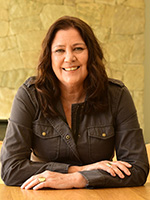 Photograph by Tony Mott‘Small Details of Travel’ by Deborah Callaghan
Deborah Callaghan was an interstate train stewardess, a librarian, and a freelance journalist before starting a thirty-five year publishing career, during which she was a publicist, a publisher and a literary agent. Her debut novel, The Little Clothes, was published in June this year by Penguin Books Australia and by Bedford Square Publishers in the UK in July.
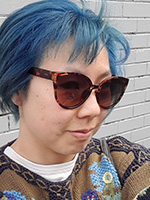 ‘great flying soar and in command’ by Lily Chan
Lily Chan was born in Kyoto, raised in Narrogin and resides in the western suburbs of Naarm (Melbourne). Her first book, Toyo: a memoir, was published by Black Inc. in 2012 and received the Peter Blazey Fellowship and the Dobbie Literary Award. It is a prescribed text for the HSC. Lily is working on a collection of essays on a childhood spent preparing for an apocalypse.
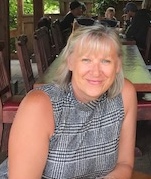 ‘Sage’ by Rhonda Collis
Rhonda Collis is a writer based on Vancouver Island, British Columbia, Canada. She has her Master’s in Creative Writing from the University of British Columbia. Her work has won awards and has appeared in literary magazines and anthologies in Canada, the United States, and the United Kingdom. She has just finished a collection of stories.
 ‘Olga’s AirPod’ by Luca Demetriadi
Luca Demetriadi is a British/Australian writer and PhD student, currently living in Naarm (Melbourne). His research focus is independent and avant-garde Australian publishing. His fiction has appeared in The Stinging Fly.
 Photograph by Hyejin Yivadi Studio‘what a what is (an autofiction)’ by Dan Disney
Dan Disney is based in Seoul, where he is a tenured professor with Sogang University’s English Literature program. In 2023, ‘periferal phantasma’ won the Peter Porter Poetry Prize; that poem forms part of a suite appearing in the forthcoming chapbook Thuggery, Buggery, Skullduggery Inc. (Red Letter Press, 2024).
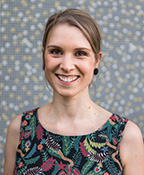 Photograph by Trenton Porter‘Transatlantic’ by Laura Elvery
Laura Elvery is the author of two short story collections, Trick of the Light and Ordinary Matter, which won the Steele Rudd Award for a Short Story Collection at the 2021 Queensland Literary Awards and was shortlisted for the 2022 Barbara Jefferis Award. Her novel about Florence Nightingale will be published in 2025.
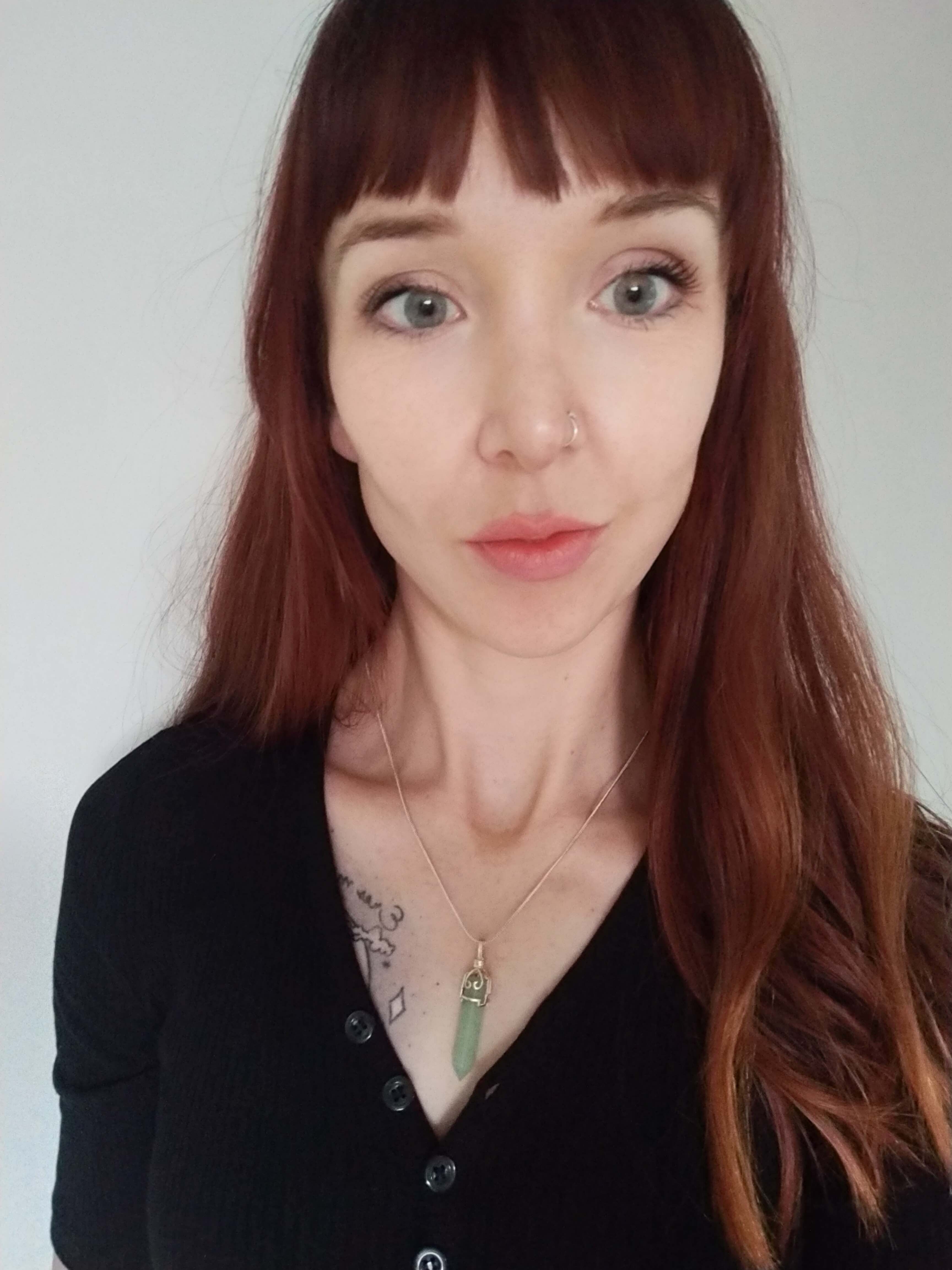 ‘First Snow’ by Kerry Greer (second place)
Kerry Greer is an Irish-Australian poet and writer. She received the Venie Holmgren Prize for Environmental Poetry in 2021. Kerry has been shortlisted for the Calibre Essay Prize, the Woollahra Digital Literary Award, the Newcastle Poetry Prize, the ACU Poetry Prize, the Gwen Harwood Poetry Prize, and more. She holds an MFA in Poetry from Cedar Crest College. Her début poetry collection, The Sea Chest, was published by Recent Work Press in 2023.
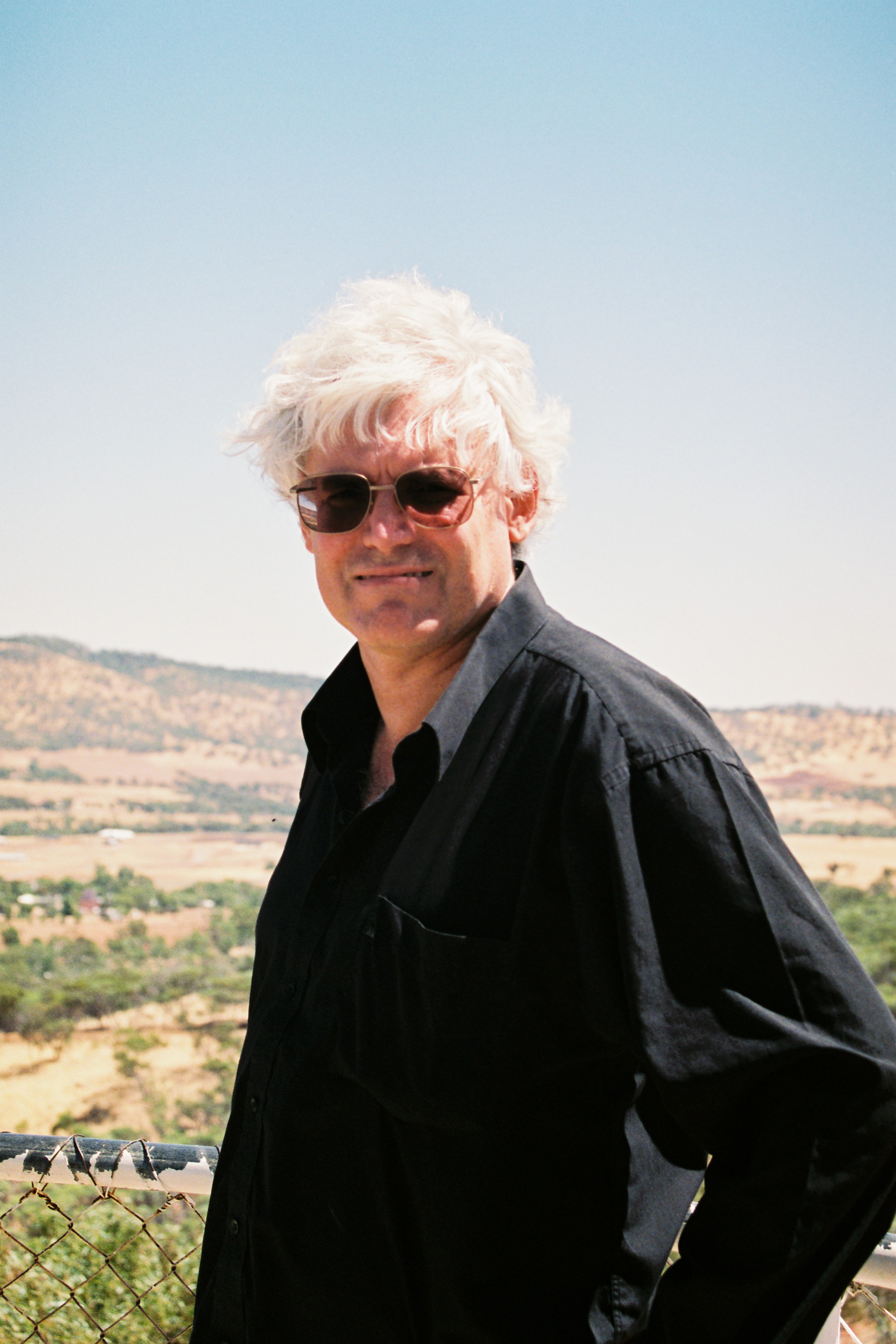 ‘Accordion to Bach’ and ‘Falling Up Stairs’ by John Kinsella
John Kinsella is the author of over forty books. His poetry collections have won a variety of awards, including the Prime Minister's Literary Award for Poetry and the Christopher Brennan Award for Poetry. His volumes of stories include In the Shade of the Shady Tree (Ohio University Press, 2012), Crow’s Breath (Transit Lounge, 2015), and Old Growth (Transit Lounge, 2017). He lives with his family in the Western Australian wheatbelt. His new collection of stories, Beam of Light, is due out with Transit Lounge in September (2024).
 ‘Softly, as in a Morning Sunrise’ by Sam Reese
Sam Reese is a short story writer and jazz critic from Aotearoa New Zealand. His short stories have won a number of prizes and have been collected in two volumes. As a critic, he has won the Arthur Miller Center first book award, and most recently has edited the notebooks of saxophonist Sonny Rollins. He spends his time between Wellington and York, where he heads the creative writing program at York St John University.
 Photograph by Kerry Stavely‘Natural Disasters’ by Faith Shearin
Faith Shearin’s seven books of poetry include: The Owl Question, Telling the Bees, Orpheus, Turning, Darwin’s Daughter, and Lost Language. Her poems have been read aloud on The Writer’s Almanac and included in American Life in Poetry. She has received awards from Yaddo,The National Endowment for the Arts, and The Fine Arts Work Center in Provincetown. Her essays and short stories have won awards from New Ohio Review, The Missouri Review, The Florida Review, and Literal Latte, among others. Two YA novels – Lost River, 1918 and My Sister Lives in the Sea – won The Global Fiction Prize and have been published by Leapfrog Press.
 Photograph by Reuben Radding ‘M.’ by Shelley Stenhouse (third place)
Shelley Stenhouse, a New York City-based poet and fiction writer, recently won the Palette Poetry Prize (judged by Edward Hirsch). Her collection, Impunity, was published by NYQ Books. She received a New York Foundation for the Arts Fellowship, an Allen Ginsberg Award, was a National Poetry Series finalist, and had two Pushcart Prize nominations (one by Tony Hoagland). Her work has appeared in New York Quarterly, Antioch Review, Prairie Schooner, Quarterly West, Nimrod, Margie, Third Coast, Brooklyn Rail, Washington Square, and Poetry After 9/11: An anthology of New York poets (among others).
 ‘Pornwald’ by Jill Van Epps (first place)
Jill Van Epps is a writer and filmmaker based in Brooklyn. She received her MFA in visual art from Goldsmiths College in London and studied video art in Berlin on a Fulbright fellowship. She was awarded the Margaret C. Annan Award for fiction and has had several poems published in journals, including The Pedestal Magazine, The Hiram Poetry Review, The Oyez Review, and Visions International. She is currently completing her first novel, Teenage Babylon.
More information
Please read our Frequently Asked Questions and Terms and Conditions.
If you need to contact us, and these documents don’t answer your query, please call (03) 9699 8822 or email This email address is being protected from spambots. You need JavaScript enabled to view it..
Previous winners
Subscribers to ABR can read previous prize-winning stories to the Jolley Prize. To read these stories, click here.
If you aren’t a subscriber, digital subscriptions begin at only $10 per month. Click here to become an ABR subscriber.
Judges
This year’s Jolley Prize was judged by Patrick Flanery, Melinda Harvey and Susan Midalia.
Exclusivity
Entries may be offered elsewhere during the judging of the Jolley Prize. If an entrant is longlisted and has their story offered elsewhere, the entrant will have 24 hours to decide if they wish to withdraw their story on offer elsewhere or from the Jolley Prize. Exclusivity is essential for longlisted stories to remain in contention for shortlisting.
Please sign up to our free 'Prizes and Programs' newsletter for more information about the 2024 ABR Elizabeth Jolley Short Story Prize.
ABR warmly acknowledges the generous support of ABR Patron Ian Dickson AM, who makes the Jolley Prize possible in this lucrative form.
2024 Calibre Essay Prize Judges
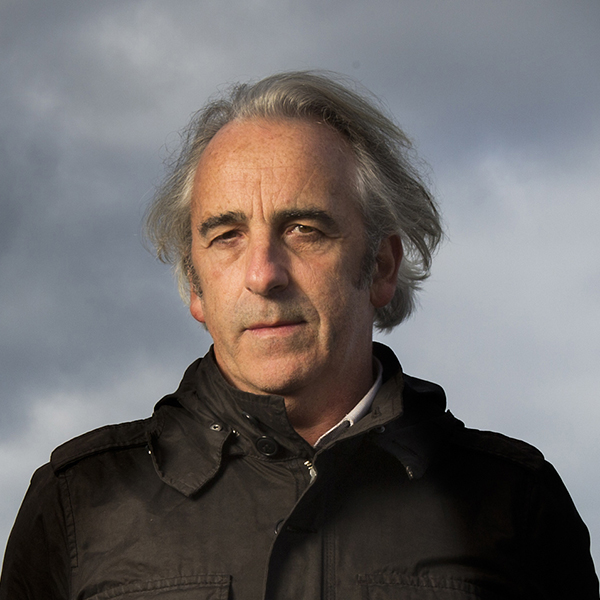 Amy Baillieu is Deputy Editor of Australian Book Review. She completed a Masters of Publishing and Communications at the University of Melbourne in 2011 and holds a Bachelor of Arts from the same university. Prior to becoming Deputy Editor of ABR in 2012, she worked in other editorial roles at the magazine and was Philanthropy Manager from 2011–12. She regularly reviews fiction for ABR and also works as a freelance editor.
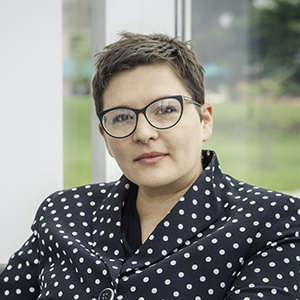
Shannon Burns is a freelance writer and member of the J.M. Coetzee Centre for Creative Practice. He is a former ABR Patrons' Fellow, and has published short fiction, poetry, and academic articles. He is the author of a memoir, Childhood (Text Publishing, 2022).
Beejay Silcox is an Australian writer and critic, and was the ABR Fortieth Birthday Fellow. Her literary criticism and cultural commentary appear in national arts publications such as ABR and Times Literary Supplement. Her award-winning short stories have been published at home and abroad.

ABR is delighted to announce that Tracey Slaughter – from Aotearoa New Zealand – is the winner of the 2024 Calibre Essay Prize. Slaughter becomes the first overseas writer to claim the Calibre Prize. Judges Amy Baillieu, Shannon Burns, and Beejay Silcox chose ‘why your hair is long & your stories short’, published in the May issue of ABR, from a field of 567 entries from twenty-eight countries. Copies of the May issue can be purchased here.
This year’s runner-up is ‘Hold Your Nerve’, by Melbourne writer Natasha Sholl, and third prize goes to Canberra-based journalist Nicole Hasham for ‘Bloodstone’. These essays will be published in ABR in 2024. Tracey Slaughter receives $5,000, Natasha Sholl receives $3,000, and Nicole Hasham receives $2,000. Founded in 2007, the Calibre Prize is one of the world’s leading prizes for a new non-fiction essay.
Status: Closed for entries, winner announced
Prize money: $10,000
Dates: 23 October 2023 – 22 January 2024, 11:59 pm
Judges: Amy Baillieu, Shannon Burns, and Beejay Silcox
The judges said this of the overall field in 2024:
We were delighted to encounter works that took unusual approaches to the form ... Among them were essays exploring the ethics of AI and the repercussions of war, reflections on loss, climate change, and family, musings on lesser-known aspects of history and thoughtful approaches to political and personal subjects.
The judges said this about Slaughter’s winning essay:
In Tracey Slaughter’s “why your hair is long & your stories short”, a beauty salon becomes a refracting point for the dark complexities of womanhood ... Written in snips and snippets – the literary equivalent of a haircut – this piece is as sharp as good scissors, as evocative as it is incisive.’
The shortlist for the 2024 Calibre Prize was as follows (in alphabetical order by author surname):
Stuart Cooke (QLD) | Sounds of the Tip, or: learning to listen to the Oxley Creek Common
Else Fitzgerald (NSW) | The Things We Don’t Say Live in My Body
Chris Fleming (NSW) | Everything, Then Nothing, Just Like That
Nicole Hasham (ACT) | Bloodstone
Jeni Hunter (QLD) | Views from the Floodplain
Sang-Hwa Lee (UK) | Looking Away
Natasha Roberts (NSW) | Guide to losing your house in a bushfire
Natasha Sholl (Vic) | Hold Your Nerve
Tracey Slaughter (NZ) | why your hair is long & your stories short
David Sornig (Vic) | Os Sacrum
Carrie Tiffany (Vic) | Seven snakes
More information about the shortlisted authors can be found below.
The 2024 Calibre Prize shortlist
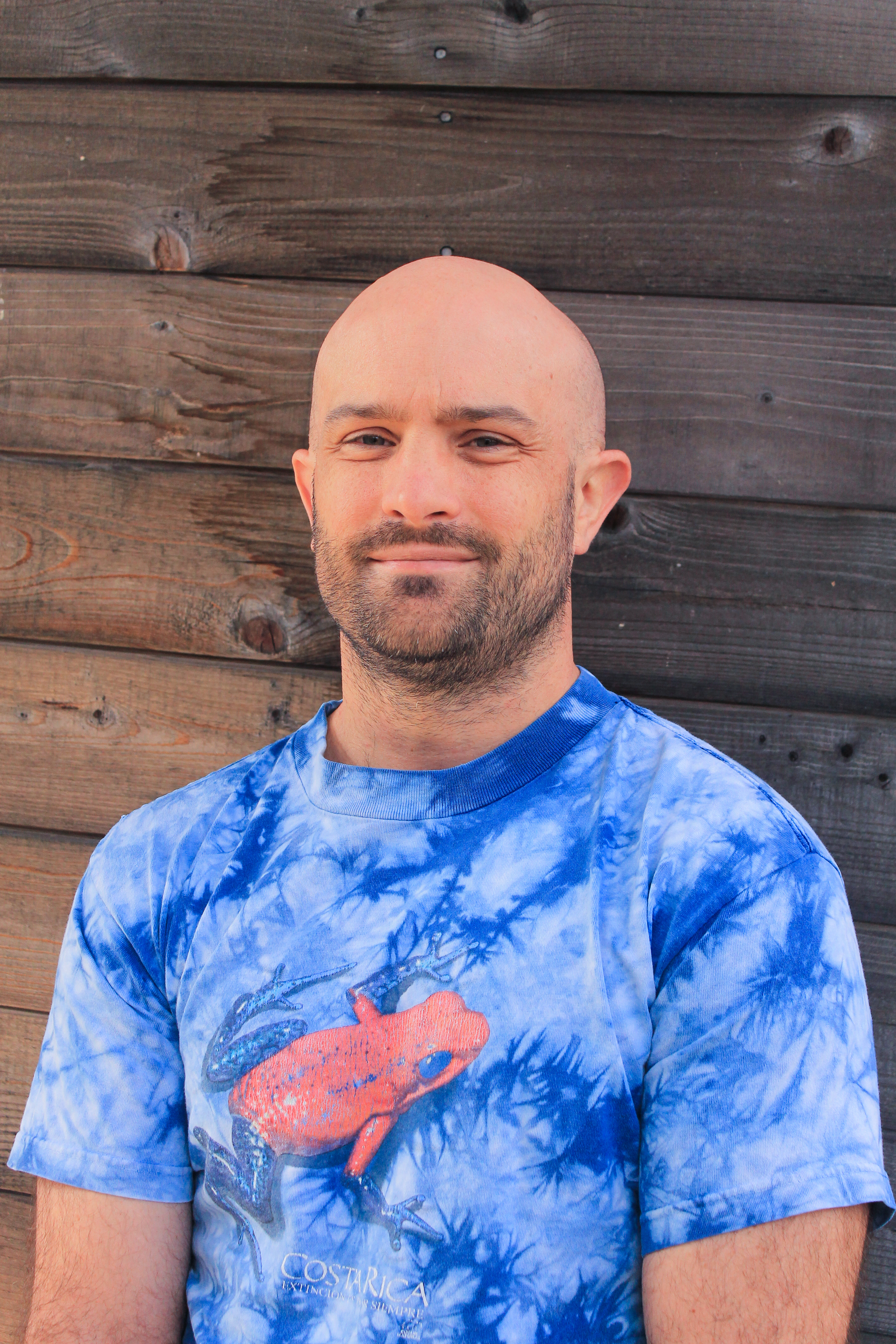
‘Sounds of the Tip, or: learning to listen to the Oxley Creek Common’ by Stuart Cooke
Stuart Cooke is a poet, essayist, and translator, and Associate Professor of Creative Writing and Literary Studies at Griffith University. His latest book is the poetry collection The grass is greener over your grave (Puncher & Wattmann, 2023).Stuart’s current projects include a non-fiction work about the late pop icon Michael Jackson, and a collection of essays about biology, ecology, and poetry. He lives in Brisbane, on Turrbal and Yuggera Country.
‘The Things We Don’t Say Live in My Body’ by Else Fitzgerald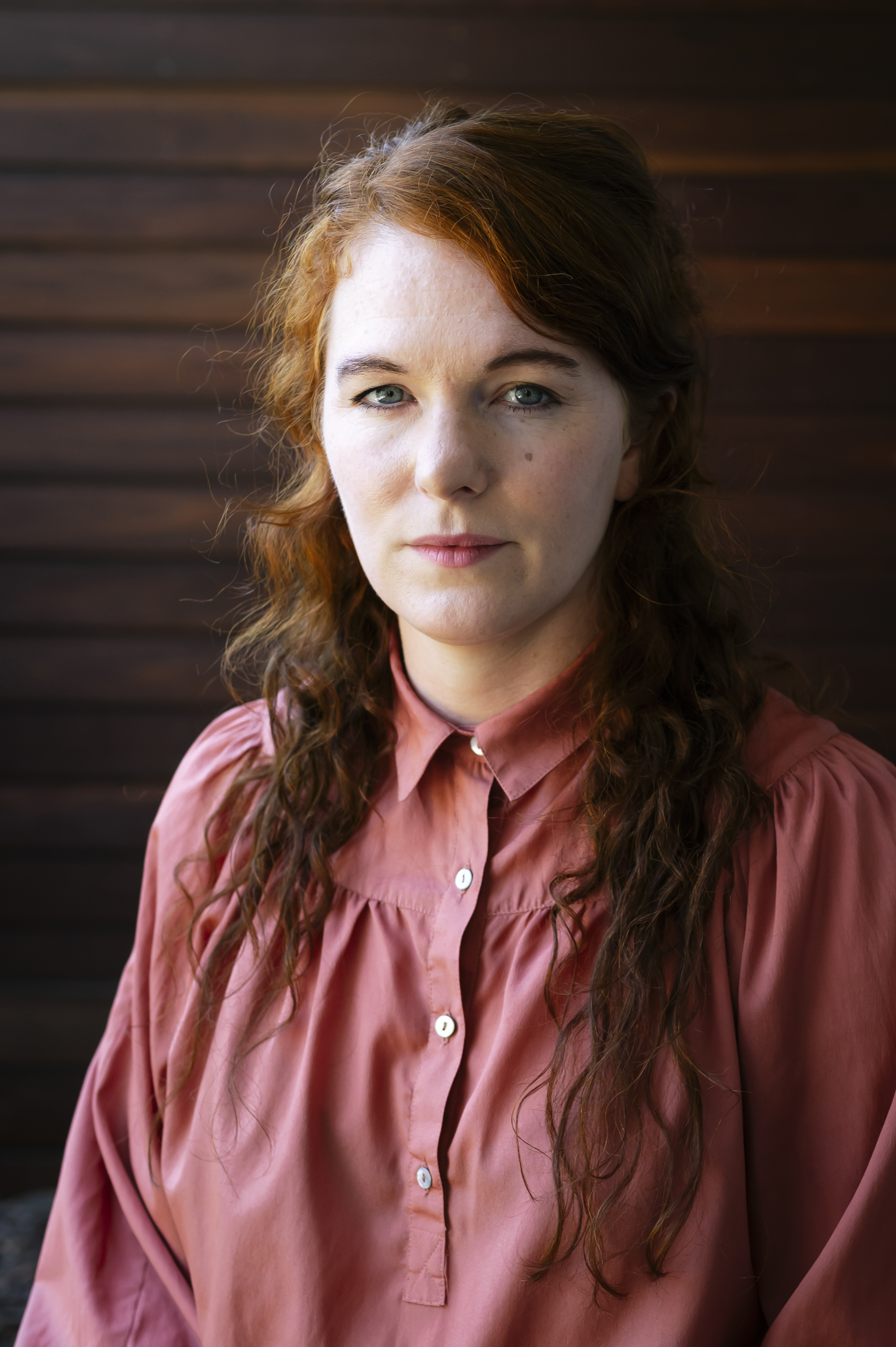
Else Fitzgerald’s writing has appeared in publications including Australian Book Review, Meanjin, The Suburban Review, The Guardian, and Award Winning Australian Writing. Her collection of short speculative fiction, Everything Feels Like the End of the World, won the 2019 Richell Prize for Emerging Writers and was published by Allen & Unwin in 2022. Everything Feels Like the End of the World was shortlisted for the 2022 Aurealis Awards and the 2023 University of Southern Queensland Steele Rudd Award.
‘Everything, Then Nothing, Just Like That’ by Chris Fleming
Chris Fleming is an Australian writer and translator whose work has appeared in both the scholarly and popular media. He is the author or editor of ten books, including the acclaimed memoir On Drugs (Giramondo, 2019). As well as theoretical work and translations, his fiction, essays, poetry, and graphic work have appeared in places such as The LA Review of Books, Island, The Chronicle of Higher Education, Literary Hub, and Westerly. He is Associate Professor in Humanities and a Member of the Writing and Society Research Centre at Western Sydney University.
‘Bloodstone’ by Nicole Hasham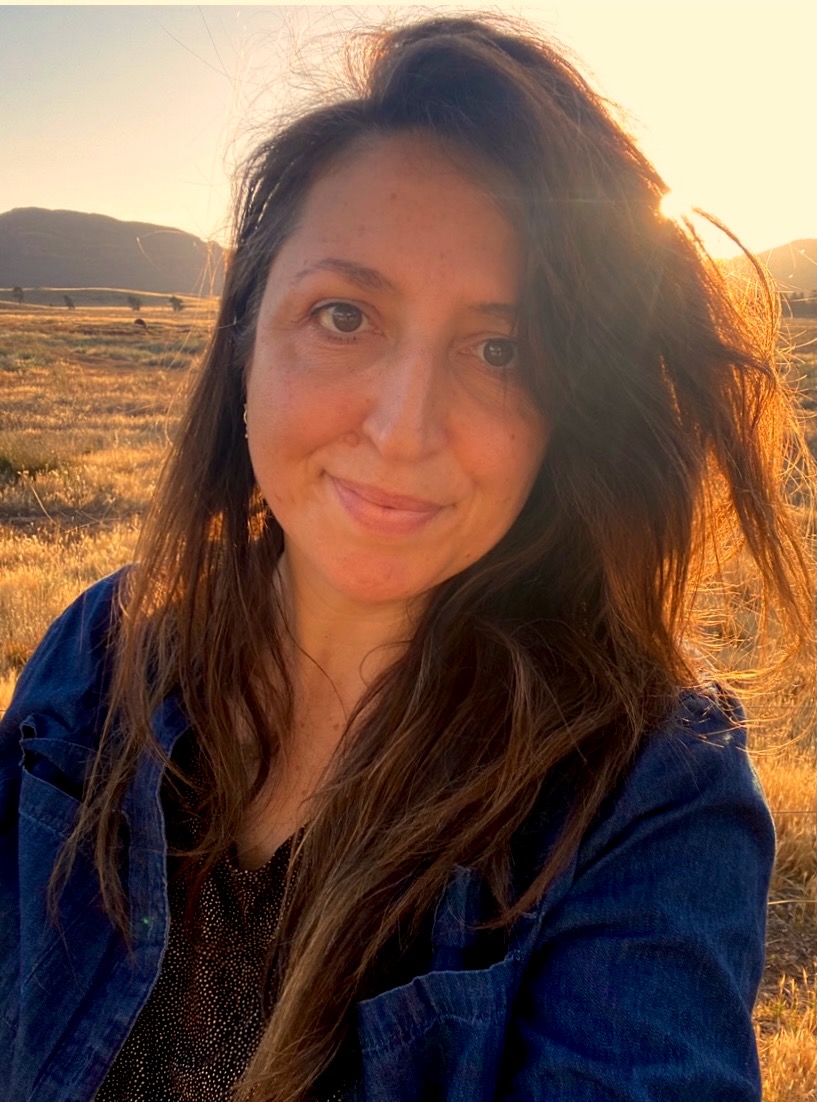
Nicole Hasham is a writer, journalist, and editor based in Canberra (Ngunnawal and Ngambri country). Her work has appeared in Griffith Review, The Monthly, The Guardian, the Sydney Morning Herald, and The Age, as well as the 2021 Best Australian Science Writing anthology. In 2010, she won a Walkley Award for journalism. Nicole was shortlisted for the UNSW Press Bragg Prize for Science Writing in 2021 and was awarded the Mick Dark Fellowship for Environmental Writing at Varuna, the national writer’s house, in 2023. Her first book, a work of narrative non-fiction, will be published by Black Inc. in 2025.
‘Views from the Floodplain’ by Jeni Hunter
Jeni Hunter was born on Whadjuk Nyoongar country (Perth) and is currently living in Meanjin (Brisbane). She is an early career writer who is completing a Bachelor of Arts with Majors in Writing and English Literature. As a dedicated reader, with an appreciation for evidence, nuance, and empathy, Jeni enjoys the immersive writing experience, and exploring the fragile balance between comfort and the unknown.
‘Looking Away’ by Sang-Hwa Lee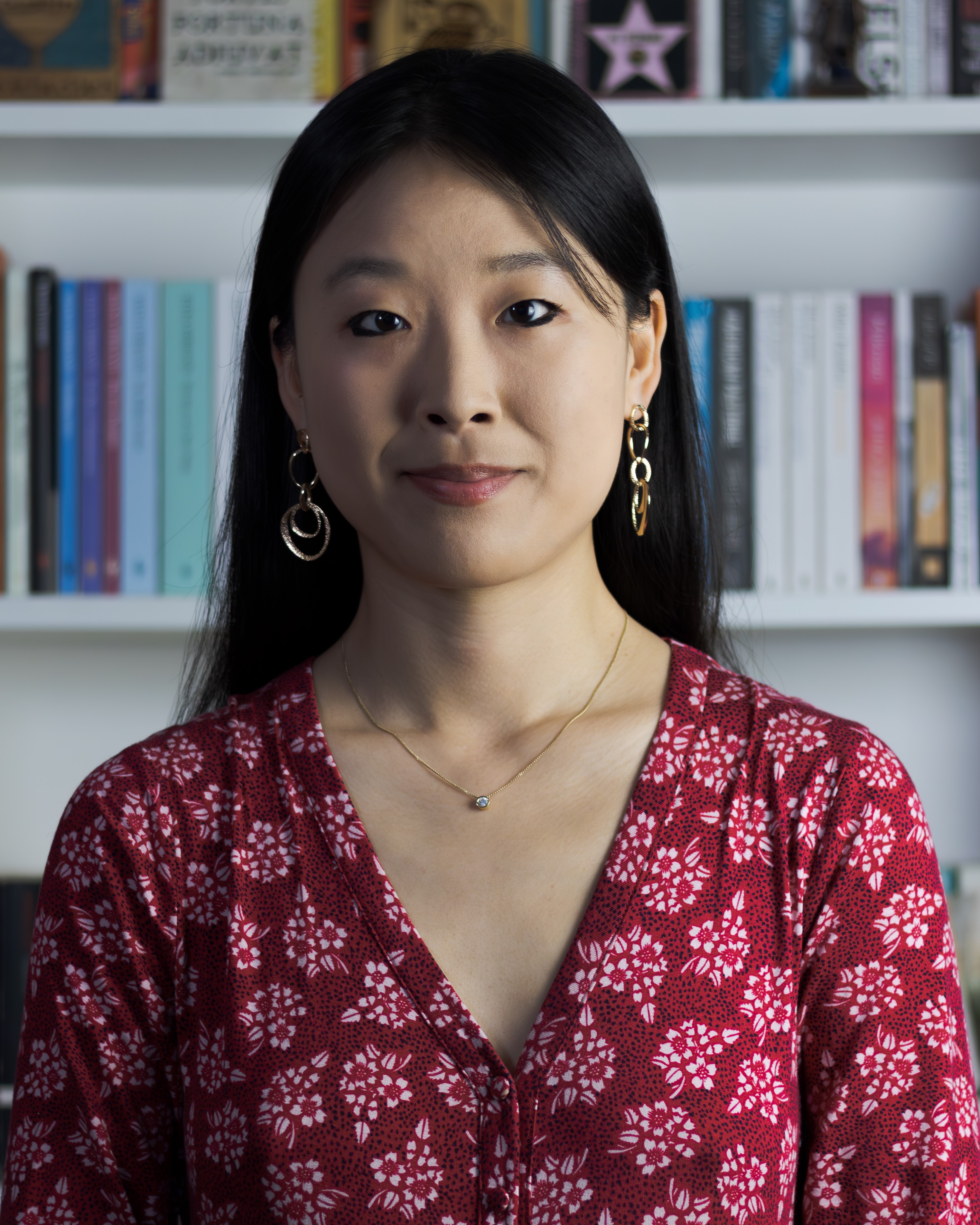
Sang-Hwa Lee is an educator and policy researcher specialising in geopolitics. She moved with her family from South Korea to the United Kingdom at the age of five, and is currently based in London. In her spare time, she enjoys writing essays and creative non-fiction on a wide variety of topics, including culture, history, philosophy, and politics. Raised by a Baptist pastor, she has since lost her faith but continues to indulge in her love of choral evensong.
‘Guide to losing your house in a bushfire’ by Natasha Roberts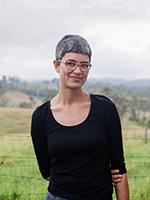
Natasha Roberts has been writing professionally in the field of data protection and information law for many years, in both government and the private sector. In her spare time, she writes stories and is working on a novel with the support of her wonderful writing group. She lives with her partner and children in the Bega Valley/Yuin Country, in New South Wales.
‘Hold Your Nerve’ by Natasha Sholl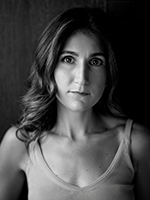
Natasha Sholl is a writer and lapsed lawyer based in Melbourne. Her work has appeared in The Guardian, The Age, The Sydney Morning Herald, Good Weekend, SBS Voices, Kill Your Darlings, and Mamamia . In 2020, she completed the KYD Mentors Program. She was shortlisted for a Varuna Fellowship in 2020 and attended a supported residency in 2022. Her first book, Found, Wanting, was published by Ultimo Press in 2022.
‘why your hair is long & your stories short’ by Tracey Slaughter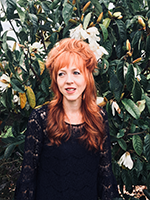 Photo by Joel Hinton
Tracey Slaughter is a poet, fiction writer, and essayist from Aotearoa New Zealand. Her work has received numerous awards including the Manchester Poetry Prize 2023, the Fish Short Story Prize 2020, and the Bridport Prize 2014. In 2018 her poem ‘breather’ came runner-up in ABR’s Peter Porter Poetry Prize. She teaches at the University of Waikato, where she edits the journals Mayhem and Poetry Aotearoa. Her recent books are Devil’s Trumpet (2021) and Conventional Weapons (2019), from Te Herenga Waka Press, and her latest collection the girls in the red house are singing comes out in August 2024.
‘Os Sacrum’ by David Sornig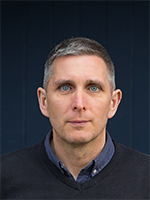
David Sornig is the author of two books, the novel Spiel (UWAP, 2009) and Blue Lake (Scribe, 2018), a psychogeographic history of the long-forgotten swamplands and shanty town of West Melbourne, which won a Judges’ Special Prize in the 2019 Victorian Community History Awards. David has twice been a finalist in the Melbourne Prize for Literature Writer’s Prize for the essays ‘Jubilee’ (2015), about the Bendigo-born Afro-Caribbean singer Elsie Williams, and ‘Thirteen Men at the Sack of Troy’ (2021), about the industrial conquest of Melbourne’s west.
‘Seven snakes’ by Carrie Tiffany
Carrie Tiffany was born in West Yorkshire and grew up in Western Australia. She spent her early twenties working as a park ranger in Central Australia and now lives and works in Naarm/Melbourne. Her novels, Everyman’s Rules for Scientific Living, Mateship with Birds and Exploded View, have been published internationally and are widely acclaimed. She is the editor of the Victorian Landcare Magazine and teaches Creative Writing at the Faber Academy and La Trobe University.
Past winners
Click the link for more information about past winners and to read their essays.
FAQs and Terms and Conditions
Please read our Frequently Asked Questions before contacting us with queries about the Calibre Prize.
Before entering the Calibre Essay Prize, all entrants must read the Terms and Conditions.
Please sign up to our free ‘Prizes and Programs’ newsletter for more information about the 2024 Calibre Essay Prize.
ABR thanks founding Patrons Mary-Ruth Sindrey and Peter McLennan for their continuing support for the Calibre Essay Prize.
2024 Peter Porter Poetry Prize
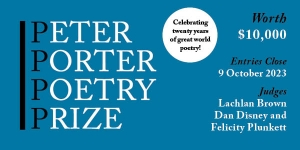
Australian Book Review is delighted to announce the winner of the 2024 Peter Porter Poetry Prize is Dan Hogan for their poem‘Workarounds’, which was published in the January-February 2024 issue of ABR. This was announced at an online ceremony on 23 January 2024.
First presented in 2005, the Porter Prize is one of the world’s leading prizes for a new poem in English. It is worth a total of $10,000, of which the overall winner receives $6,000.
This year our judges were Lachlan Brown, Dan Disney and Felicity Plunkett. They chose the winner and five shortlisted poems from a field of 1,066 entries. Poets from twenty-one different countries entered the Prize.
The judges said this of ‘Workarounds’:
‘“Workarounds” remains a stunning critique of the so-called 4th Industrial Revolution, in a lexicon that could (almost) be the gibberish of a pre-ChatGPT machine attempting to replicate human thought … but not quite. Amid apparent non sequiturs, the heroically outlandish expressiveness, the absurd sleights and puns, there are moments of challenge to those alert to the fact that this poem may be investing in social critique rather than mere post-LangPo fun.’
2024 Porter Prize Shortlist
The five shortlisted poems were (in alphabetical order):
‘Poem of the Dead Woman’ by Judith Nangala Crispin (NSW)
‘Immigration Triction’ by Natalie Damjanovich-Napoleon (WA)
‘Workarounds’ by Dan Hogan (NSW)*
‘Cuttle’ by Meredi Ortega (Scotland/UK)
‘Blagaj, Mostar’ by Dženana Vucic (Germany)
*winning poem
The judges said this of the shortlist:
‘Arriving at this shortlist, each of us was reading for language that was concise and perspicacious, language that arrested our attention in ways that immediately rewarded rereading. In uniquely different ways, each shortlisted poem demonstrates compelling awareness of the function not only of the poetic line but, more broadly, of syntax, grammar, diction and the power relations transmitted therein.’
The shortlisted poems were published in the January-February 2024 issue of ABR, copies of which can be purchased here.
About the shortlisted poets:
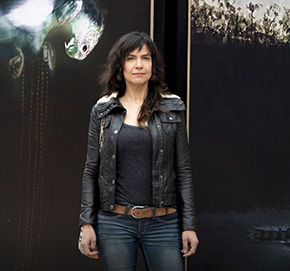 Judith Nangala Crispin is a poet and visual artist of Indigenous and mixed descent, living on unceded Yuin Country on the NSW Southern Tablelands. She has published two collections of poetry, and her verse novel will be released in 2024. Judith won the 2020 Blake prize for poetry and has been shortlisted for various other prizes. She has been commissioned by The National Gallery of Australia, The National Museum of Australia, Musica Viva, and Red Room Poetry. In 2024, a poem Judith wrote about her dog will be deposited on the moon, by NASAs Polaros mission, as part of the Lunar Codex.
Natalie Damjanovi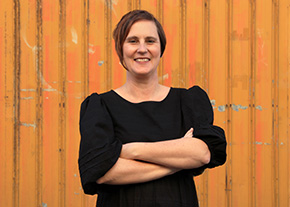 ch-Napoleon is a writer, songwriter, and educator who was raised on a farm by her Croatian-immigrant parents. Her poetry and creative non-fiction have appeared in Meanjin, Cordite, The Found Poetry Review, Westerly, Australian Poetry Journal and Writer’s Digest (US). Natalie’s work has been widely anthologised in both the United States and Australia. She has won the Bruce Dawe National Poetry Prize (2018) and the KSP Poetry Prize (2019). Her début poetry collection, First Blood, was released in 2019 (Ginninderra Press). Her second poetry book, If There Is a Butterfly That Drinks Tears, on motherhood in the wake of the Trump presidency, was released in 2023 by Life Before Man/Gazebo Books.
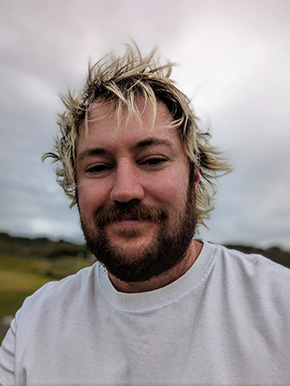 Dan Hogan (they/them) is a writer from San Remo, NSW (Awabakal and Darkinjung Country). They currently live and work on Dharug and Gadigal Country (Sydney). Dan’s debut book of poetry, Secret Third Thing (Cordite, 2023), won the Five Islands Poetry Prize. Dan’s work has been recognised by the Val Vallis Award, the Judith Wright Poetry Prize, and the XYZ Prize, among others. In their spare time, Dan runs small DIY publisher Subbed In. More of their work can be found at: 2dan2hogan.com.
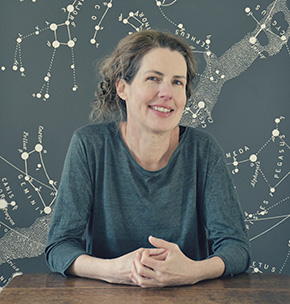 Meredi Ortega is from Western Australia and now lives in Scotland. Her poems have appeared in the Times Literary Supplement, The Poetry Review, Meanjin, The Best Australian Science Writing 2023, and Scientific American. She contributed to the deep mapping anthology Four Rivers, Deep Maps (UWAP, 2022).
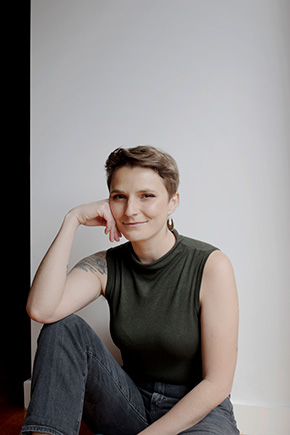 Dženana Vucic is a Bosnian-Australian writer, poet and critic currently based in Berlin. Her writing has appeared in Sydney Review of Books, Overland, Meanjin, Australian Poetry Journal, Australian Multilingual Writing Project, and others. She is currently working on her first book and tweets at @dzenanabanana.
The shortlist was derived from a longlist of eleven poems.
2024 Porter Prize Longlist
The eleven longlisted poems were (in alphabetical order):
‘Deep Time’ by Paula Bohince (USA)
‘A Christmas Ode’ by Marguerite Bunce (France)
‘Poem of the Dead Woman’ by Judith Nangala Crispin (NSW)*
‘Immigration Triction’ by Natalie Damjanovich-Napoleon (WA)*
‘Portals’ by John Foulcher (ACT)
‘Workarounds’ by Dan Hogan (NSW)*
‘Whipbirds’ by Greg McLaren (NSW)
‘Cuttle’ by Meredi Ortega (Scotland)*
‘Bingeing Sestina’ by Petra Reid (Scotland)
‘Blagaj, Mostar’ by Dženana Vucic (Germany)*
‘Have they culled the roadside deer’ by Meredith Wattison (NSW)
*shortlisted poets
Click here for more information about past winners and to read their poems.
To stay updated on the Porter Prize and Australian Book Review’s other prizes, please sign up for our ‘Prizes and Programs’ newsletter.
We gratefully acknowledge the long-standing support of Morag Fraser AM and Andrew Taylor AM and support in memory of Kate Boyce.
2024 Porter Prize Judges
Dan Disney was the winner of the 2023 Peter Porter Poetry prize for his poem ‘periferal, fantasmal’. His most recent collection of poems, accelerations & inertias (Vagabond Press, 2021), was shortlisted for the Judith Wright Calanthe Award and received the Kenneth Slessor Prize. Together with Matthew Hall, he is the editor of New Directions in Contemporary Australian Poetry (Palgrave, 2021). He teaches with the English Department at Sogang University, in Seoul.
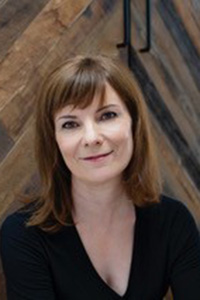 Felicity Plunkett is a poet and critic. Her latest work, A Kinder Sea, is published by UQP. Her first collection of poetry Vanishing Point (UQP, 2009) won the Arts Queensland Thomas Shapcott Prize and was shortlisted for several other awards. She has a chapbook Seastrands (2011) in Vagabond Press’ Rare Objects series. Felicity was Poetry Editor for University of Queensland Press and edited Thirty Australian Poets (UQP, 2011). She has a PhD from the University of Sydney and her reviews and essays have been widely published in The Australian, Sydney Morning Herald, Australian Book Review, Sydney Review of Books etc.
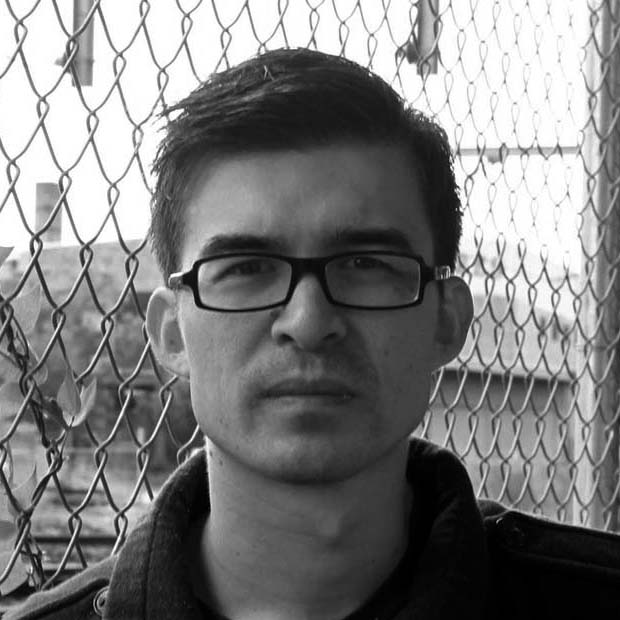 Lachlan Brown is a senior lecturer in English at Charles Sturt University, Wagga Wagga. He is the author of Limited Cities (Giramondo, 2012) and Lunar Inheritance (Giramondo, 2017). Lachlan has been shortlisted and commended for various poetry prizes including the Mary Gilmore Prize, the Newcastle Poetry Prize, the Gwen Harwood Poetry Prize, the Judith Wright Poetry Prize, and the Macquarie Fields Poetry Prize. Lachlan is currently the vice-president of Booranga Writers Centre in Wagga Wagga. His poem 'Precision Signs' was shortlisted in the 2020 Peter Porter Poetry Prize.
2023 Calibre Essay Prize Winner and Shortlist
Sydney writer Tracy Ellis is the winner of the 2023 Calibre Essay Prize for her essay 'Flow States'. Her name will be very familiar to ABR readers: Tracy won the 2022 ABR Elizabeth Jolley Short Story Prize for her story 'Natural Wonder'. (She is the first person to win both Calibre and the Jolley Prize.)
The judges – Yves Rees (past winner of the Calibre Prize), Peter Rose (Editor of ABR), and Beejay Silcox (critic and artistic director of the Canberra Writers Festival) – chose ‘Flow States’, the winning essay, from a field of 397 entries. Tracy Ellis receives $5,000 for her winning essay and the runner-up, Bridget Vincent, receives $2,500 for her essay 'Child Adjacent' which will appear in a future issue of the magazine.
‘Flow States’ begins with a single drop of water – a household tap left running. ‘As any plumber, doctor, or government knows, a little leak is never insignificant,’ writes Tracy Ellis. ‘A dripping hose can fill a swimming pool, a burst artery can drain your life away, a wily hacker can flood the porous, stateless internet with classified information and change the course of history.’ And so, from a single dripping tap, Ellis draws out a tale of the obliterative power – real, existential, and metaphorical – of floodwater.
‘Flow States’ impressed the Calibre judges with its elegance, layered richness, and sharp-eyed observation. It is an essay that invites – rewards – rereading. Part memoir, part cultural history, and part solastalgic elegy, ‘Flow States’ behaves like its subject: it ebbs and whorls. The result is something that speaks to our perma-crisis present, but tells a much older story.
Our 2023 runner-up, ‘Child Adjacent’ considers the culturally slippery responsibilities – and possibilities – of aunthood. ‘I am not the mother,’ writes Bridget Vincent, a writer originally from Ballarat. ‘I am an aunt instead, if “instead” is even the right word. There are categories – infertile, childless by circumstance, childless by choice – and within these, more specific groups like the Birthstrikers, who are publicly delaying procreation until there is climate action. Being an aunt of the Anthropocene is none of these and all of them at once.’
As wry as it is compassionate, ‘Child Adjacent’ impressed the judges with its conceptual freshness. It is an essay that broadens our understanding of family building, and interrogates the terrors and moral exigencies of parenting in the climate crisis. Vincent’s essay does subtle, private things in reverberative ways, which is the mark of an enduring essay.
Tracy Ellis on winning the Calibre Essay Prize:
‘It’s such an honour to be awarded the Calibre Essay Prize. I feel extraordinarily lucky that my essay resonated with the judges. To win on the back of the Jolley Prize brings an immense double happiness. ABR sets a high benchmark with the way they run Calibre and the Jolley. Having worked with Editor Peter Rose and the ABR staff on the Jolley Prize last year, I can testify to their integrity, refreshing lack of cynicism, and genuine respect for writers. These awards and acknowledgements do matter – they help enormously on both a professional and practical level. I’m extremely grateful to ABR, the judges, and Patrons, and give thanks for my good fortune.’
About Tracy Ellis
Tracy Ellis lives in Sydney and works as an editor in digital and print media. She was winner of the 2022 ABR Elizabeth Jolley Short Story Prize and runner-up for the 2022 Writing NSW Varuna Fellowship. She has a Master’s in Creative Writing from UTS.
2023 Calibre Prize Shortlist.
The eleven shortlisted essays are (in alphabetical order):
‘The Dark Side of Paradise’ by Ben Arogundade (UK)
‘Heimat’ by Ina Skär Beeston (UK)
‘Private Leo, My Imaginary Father’ by Kevin Brophy (VIC)
‘The Genealogies of Mr Senior’ by Martin Edmond (NSW)
‘See it Now’ by Jaimee Edwards (NSW)
‘Flow States’ by Tracy Ellis (NSW) - winner
‘The Muse of Potential Motherhood’ by Madison Godfrey (WA)
‘Blade of Grass, Meadow of Knives’ by Dan Hogan (NSW)
‘The Morning Belongs to Us’ by Siobhan Kavanagh (VIC)
‘Stone Country’ by John Stockfeld (VIC)
‘Child Adjacent’ by Bridget Vincent (VIC) - runner-up
Calibre Essay Prize:
The Prize, now in its seventeenth year, is one of the world’s leading awards for an original essay. We thank ABR Patrons Peter McLennan and Mary-Ruth Sindrey for supporting the Calibre Prize.
2023 Jolley Prize Judges
Gregory Day lives on Wadawurrung tabayl in south-west Victoria, Australia. His work has won many awards, including the 2006 Australian Literature Society Gold Medal, the 2011 ABR Elizabeth Jolley Short Story prize, the 2020 Patrick White Award and the 2021 Nature Conservancy Nature Writing Award. Day's novel, A Sand Archive, was shortlisted for the 2019 Miles Franklin Award. He has a new novel, The Bell of the World, out in 2023.
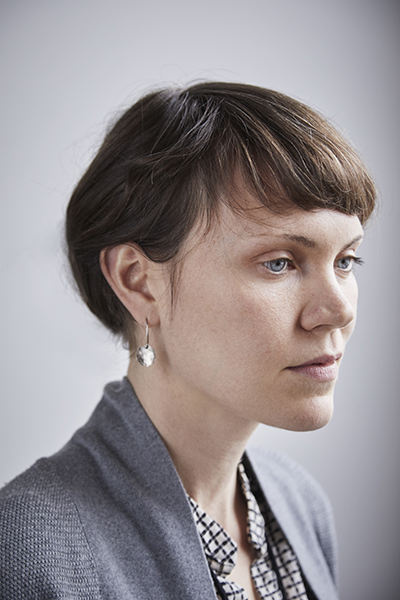 Jennifer Mills is an author, editor and critic living in Kaurna Yerta (Adelaide). Her novel Dyschronia was shortlisted for the Miles Franklin, Aurealis, and Adelaide Festival Awards for Literature in 2019. Mills’s latest book is The Airways, a queer ghost story set in Sydney and Beijing, published in 2021 by Picador.
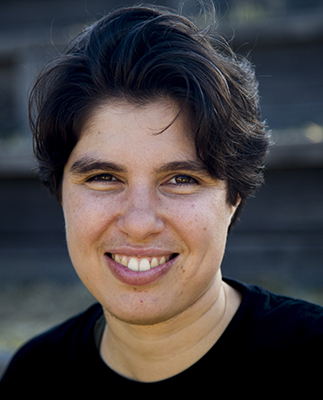
Maria Takolander is a Finnish-Australian writer, reviewer, interviewer, and independent scholar. She is the author of four books of poetry, the most recent of which, Trigger Warning (UQP, 2021), won a Victorian Premier’s Literary Award. Maria was also the inaugural winner of the ABR Elizabeth Jolley Short Story Competition and is the author of The Double (And Other Stories) (Text, 2013), which was shortlisted for a Melbourne Prize for Literature. Her website is mariatakolander.com.
2023 Peter Porter Poetry Prize Winner
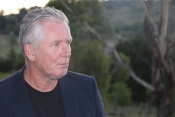
Dan Disney was named the overall winner of the 2023 Peter Porter Poetry Prize at an online ceremony on 19 January 2023 for his poem ‘periferal, fantasmal’.
The Porter Prize – Australia’s most prestigious poetry competition – is worth a total of $10,000. This year’s judges – Sarah Holland-Batt, Des Cowley and James Jiang – shortlisted five poems by Chris Andrews (NSW ), Chris Arnold (WA), Michelle Cahill (NSW ), Dan Disney (South Korea/Australia), and Raisa Tolchinsky (USA). The shortlisted poems were selected from 1,132 entries sent from thirty-four countries. They appear in the January–February issue of ABR.
Congratulations to Dan Disney and to all the poets shortlisted and longlisted in the 2023 Peter Porter Poetry Prize!
In their report the judges noted:
‘A tour de force of linguistic estrangements, “periferal, fantasmal” excavates the colonial history sedimented in the names that litter the landscape of the Gippsland region in Victoria. Through its comic neologisms and deft calibrations of lyric temporality, the poem replays the sanction for mineral extraction provided by exonymic nomination, reminding us of the scotch-soaked nightmare from which we are still trying to awake'.
On learning of his win, Dan Disney commented:
‘Peter Porter opens his poem “Landscape with Orpheus” with an epigraph from The Magic Flute – “You only live once, let that be enough for you!”. Poems like Porter’s generate not only wonder but also awed awareness (and, for me, a shift thereafter towards ethical, experimental rhetoric). I am dazzled to be in the bright reality of a moment like this. It is an incredible honour to receive a prize bearing the name of such a prodigiously enlivening, humanising poet'.
periferal, fantasmal
by Dan Disney
Residents in the high country town of Benambra are cautiously optimistic it could be on the brink of another mining boom.
The Weekly Times, 4 August 2022
Angus McMillan is lost (again), bushwhacked
in the eucalypt fastnesses of Yaimathang
space, lolling in the dry wainscots
of a thirsting imaginarium, highlander pre-thief
expeditioneering through the land-folds
of community 100 generations deep
(at least) & parlously drunk (again), wandering
pointy guns through the sun-bright climes
later declaimed as alpine, o Angus, you’re lairy
& hair-triggered as a proto-laird, scratching
exonyms into future
placeholders as effacement, chimeless
as your Caledonia Australis (yeah, pipped at the post
by ‘Gipps Land,’ that howling
strzeleckification), & in the fire-crazed hills
Benambra slouches, heat-struck
descendants squinting beside the vanished
(again) Lake Omeo, where ghosts flop
or palely wade, cascading
generations generating cascading generations
as if contagion, feral as syntax reasserting the mere
bunyipdoms of itself, & I read today
a zinc mining crowd
is bee-lining for the outskirts of town
where the brown farms end, & locals already
yipping in full chant, ANOTHER CHANCE FOR
DOOMSAYERS TO DO
EVERYTHING TO THWART ALL CHANCE
OF THIS MINE RE-OPENING, &
McMillan (dumbfounded, non-finding
founder) is out there, still, looping
in stumbles like a repetition
compulsion through the unheimlich
antipodean sublime, syphilitically
occupied in louche preoccupations (namely,
naming the already-named, the-there-&-known,
uttering under white gums in bullet & bulletin
the Quackmungees of his idylling) & while
Benambra’s locals apply next layers
of sunscreen to the books they’re calling history,
hallooing through firestorm, STAND UP
FOR OUR HERITAGE, in the big wet of his oblivions
McMillan is flat out like a bataluk drinking
amid the squatters & Vandemonians,
Iguana Creek, 1865, it is moments before death
& he’s raising one more scotch
(again) in our direction, scowls into the clamouring
sweep of an existential curtain, falling
(as he is, into the old land’s burr,
the only time you’ll hear him speaking here)
BIODH FIOS AGAIBH AIR UR
N-EACHDRAIDH FHÈIN, A BHURRAIDHEAN.1
1 As per Peter Gardner’s book: ‘historians have tended to recognize the priority of McMillan and posterity has left us with all the names that McMillan conferred on the countryside except one – Strzelecki’s “Gipps Land” instead of McMillan’s “Caledonia Australis”.’ See Our Founding Murdering Father: Angus McMillan and the Kurnai Tribe of Gippsland 1839-1865, page 19. Exonymic renaming is one dimension of colonial effacement; in the generations after British annexation, a polyphony of invading languages systematically intersected the colonies’ landscapes, including McMillian’s Scottish Gaelic. The last lines in this text translate from that language, approximately, as ‘idiots, learn your damned history.’ Elsewhere, other capitalised lines are drawn verbatim from the Facebook group ‘Anyone who has lived in Omeo, Benambra, Swifts Creek or Ensay’. ‘Quackmungee’ is the name of one of the vast areas of land controlled by McMillan, who is recorded in the Colony of Victoria’s 1856 census as owning 150,000 acres. In the Gurnaikurnai language, ‘bataluk’ translates to English as ‘lizard’; so total is the genocidal erasure of Indigenous culture that no record exists for the Yaimathang language group’s word for ‘lizard’. In 1865, McMillan died in Gilleo’s Hotel, Iguana Creek.
_____________
Further information
The Peter Porter Poetry Prize is one of Australia’s most prestigious poetry awards.
Subscribe to ABR to gain access to this issue online, plus the ABR archive.
Click here for more information about past winners.
We gratefully acknowledge the long-standing support of Morag Fraser AM and Andrew Taylor AM and support in memory of Kate Boyce.
2023 ABR Elizabeth Jolley Short Story Prize
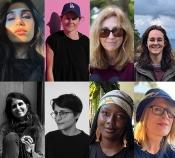
Australian Book Review is delighted to announce that Rowan Heath is the winner of this year’s ABR Elizabeth Jolley Short Story Prize for their story ‘The Mannequin’. They receive $6,000. This year’s prize – worth a total of $12,500 – received 1,200 entries from thirty-eight different countries. Uzma Aslam Khan placed second and receives $4,000 for her story ‘Our Own Fantastic’ , and Winter Bel placed third and receives $2,500 for her story ‘Black Wax’
The 2023 Jolley Prize was judged by Gregory Day, Jennifer Mills, and Maria Takolander.
The shortlisted stories are published in the 2023 August issue (you can purchase single issues here). ABR extends a warm congratulations to Rowan Heath, Uzma Aslam Khan, and Winter Bel as well as to the longlisted entrants (listed below). Thank you to all who entered this year’s prize.
The shortlisted stories are listed below (in alphabetical order by author surname)
‘Black Wax’ by Winter Bel (France/United Kingdom)
‘The Mannequin’ by Rowan Heath (Victoria)
‘Our Own Fantastic’ by Uzma Aslam Khan (United States)
The longlist for the 2023 ABR Elizabeth Jolley Short Story Prize is as follows (in alphabetical order by author surname):
‘and ever more stranger’ by Emily Armanios (Victoria)
‘Black Wax’ by Winter Bel (France/United Kingdom) - shortlisted
‘Backstory’ by Sue Brennan (Japan)
‘The Mannequin’ by Rowan Heath (Victoria) - shortlisted
‘Our Own Fantastic’ by Uzma Aslam Khan (United States) - shortlisted
‘Older, Younger’ by Kira McPherson (England)
‘Fatal attraction’ by Fope Ojo (Netherlands)
‘Happy At Work’ by Ellen Rodger (NSW)
More information about the longlisted authors can be found below.
The 2023 ABR Elizabeth Jolley Short Story Prize Longlist
‘and ever more stranger’ by Emily Armanios
Emily Armanios is a twenty-three-year-old Greek-Egyptian poet currently writing and living on unceded Wurundjeri land, in beautiful Naarm. She spends her time being awestruck by the terror/tenderness of the exquisite world, in which you'll often find her writing ‘poetry or else’.
‘Black Wax’ by Winter Bel
Winter Bel is a writer of literary fiction and poetry. Born in England, she now splits time between Paris and Los Angeles. She is presently polishing for publication her début novel After The Angels, as well as her short story collection Hard Place Rock, from which story ‘Black Wax’ is taken. Her website is winterbel.info.
‘Backstory’ by Sue Brennan
Sue Brennan is an Australian writer with stories published in Australia in ACE - Contemporary Stories by Emerging Writers, Meniscus, Meanjin, and in the USA in The Peauxdunque Review, Big City Lit and The Blue Mountain Review. In 2022, she was the winner of the New Feathers Anthology prose award. She can be found at www.suebrennan.net.
‘The Mannequin’ by Rowan Heath
Rowan Heath is a writer, editor and LARPer living on Wurundjeri land. Their creative work has appeared in In Flux: Trans and Gender Diverse Reflections and Imaginings, Monstrous Appetites, Perspektif, Verge and Antithesis. Their fiction will be published in Strangely Enough, an ASSF anthology, in late 2023. They have edited for publications such as Farrago, Inkspot and CAMP. They currently work in the higher education sector.
‘Our Own Fantastic’ by Uzma Aslam Khan
Uzma Aslam Khan is the author of five internationally acclaimed novels. These include Trespassing, nominated for a 2003 Commonwealth Prize; The Geometry of God, a Kirkus Reviews’ Best Book of 2009; Thinner Than Skin, nominated for the Man Asian Literary Prize and DSC Prize for South Asian Literature. Khan’s new novel, The Miraculous True History of Nomi Ali, was a New York Times’ Best Historical Fiction 2022. It won the Karachi Literature Festival-Getz Pharma Fiction Prize, and has been longlisted for the Massachusetts Book Awards for 2023. Born in Pakistan and now residing in the United States, Khan has also lived in the Philippines, Japan, England, Morocco, and Oceania. Her website is https://www.uzmaaslamkhan.com
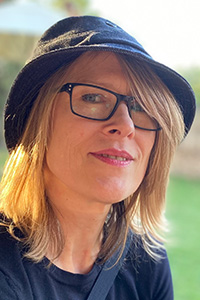
‘Older, Younger’ by Kira McPherson
Kira McPherson is the author of Higher Education, published by Ultimo Press (2023). Her short stories have been published in Westerly, the Stockholm Review of Literature, and the London Short Story Prize Anthology, and she is an associate editor of Short Fiction Journal. She grew up in Perth, Western Australia and lives in London.
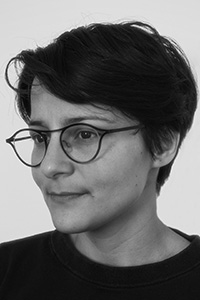
‘Fatal attraction' by Fope Ojo
Fope Ojo is a writer from Lagos, Nigeria, who currently lives between Amsterdam and Lagos. She is an alumni of Purple Hibiscus Workshop in Awka, Anambra 2020, Sonic Acts critical writing workshop in Amsterdam, 2021 and the Iceland Writers Retreat, 2023. Some of her work has appeared in Overland, Necessary Fiction, Spread Magazine, Cherry Tree, Ynaija, Irin Journal, Sleek Magazine, Native to name a few. Two of her short stories have been nominated for the Best of Net category in Fiction, and the Pushcart Prize. Her short fiction was also longlisted for the 2020 Commonwealth short story prize.
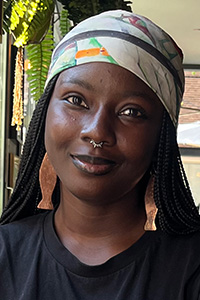
‘Happy At Work’ by Ellen Rodger
Ellen Rodger’s novella The Girls’ Room was published in Love & Desire, Four Modern Australian Novellas. Her writing has also appeared in The Best Australian Stories and The Age. Her recent short fiction has been nominated for the Newcastle Short Story Award, the Albury City Short Story Award, and the Alan Marshall Short Story Award. Ellen has an MA (Creative Writing) from Western Sydney University.
Please sign up to our free 'Prizes and Programs' newsletter for more information about the 2023 ABR Elizabeth Jolley Short Story Prize.
ABR warmly acknowledges the generous support of ABR Patron Ian Dickson AM, who makes the Jolley Prize possible in this lucrative form.
2023 Calibre Essay Prize Judges

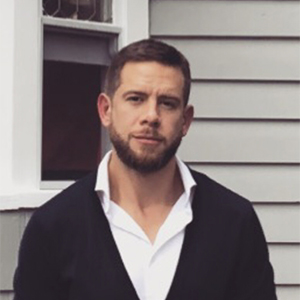 Yves Rees is a Lecturer in History at La Trobe University and author of All About Yves: Notes from a transition (Allen & Unwin 2021). Their essay ‘Reading the Mess Backwards’ won the 2020 Calibre Essay Prize. A co-host of the history podcast Archive Fever, Yves is a regular contributor to ABC radio and The Conversation, and their work has appeared in ABR, Overland, Guardian Australia, Inside Story, and Archer.
Beejay Silcox is an Australian writer and critic, and was the ABR Fortieth Birthday Fellow. Her literary criticism and cultural commentary appear in national arts publications such as ABR and Times Literary Supplement. Her award-winning short stories have been published at home and abroad.
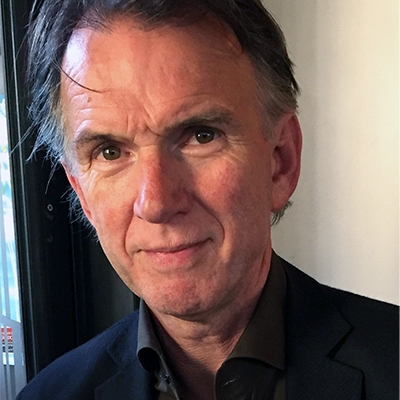 Peter Rose has been Editor of Australian Book Review since 2001. Previously he was a publisher at Oxford University Press. His reviews and essays have appeared mostly in ABR. He has published six books of poetry, two novels, and a family memoir, Rose Boys (Text Publishing), which won the 2003 National Biography Award.